FAQ
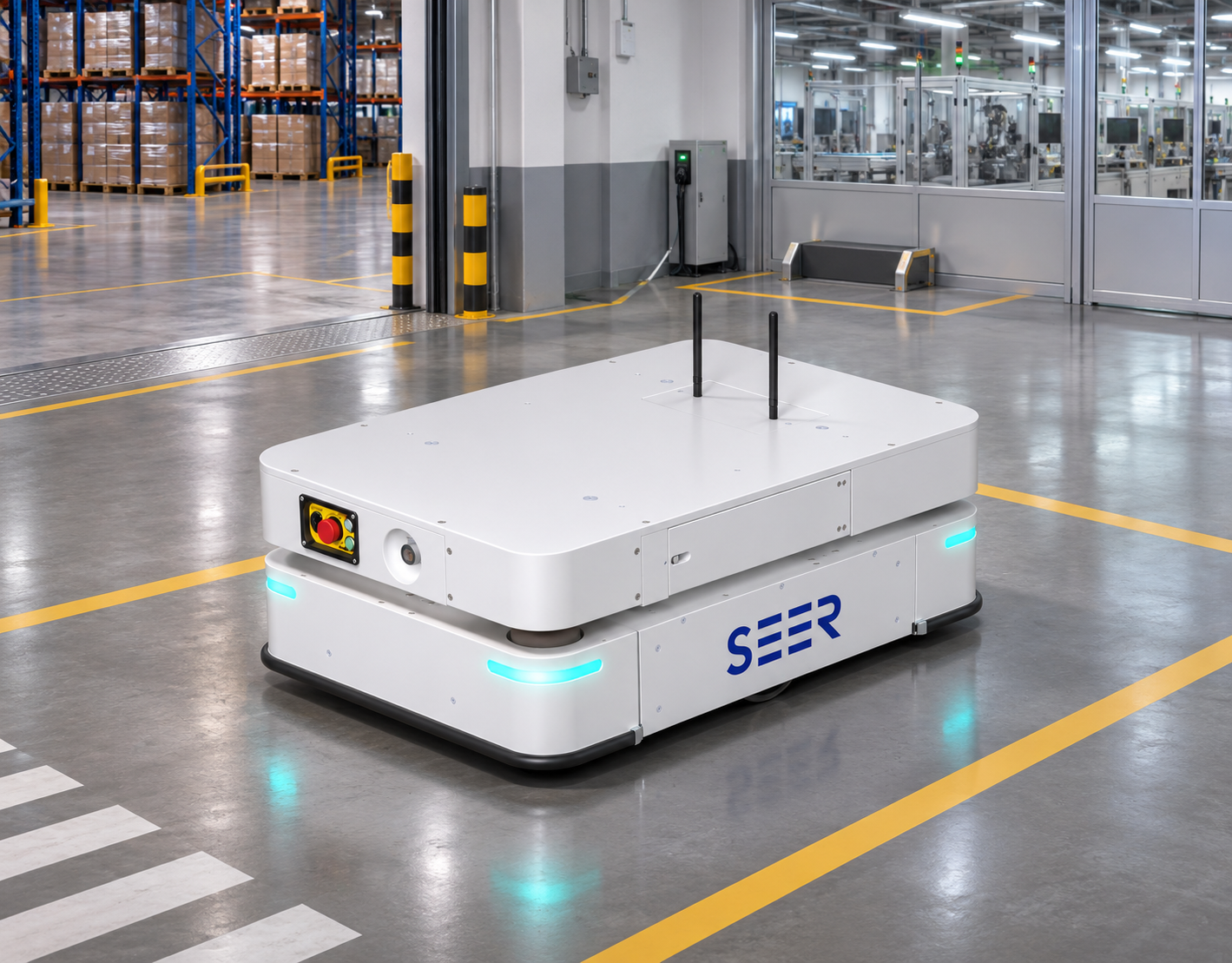
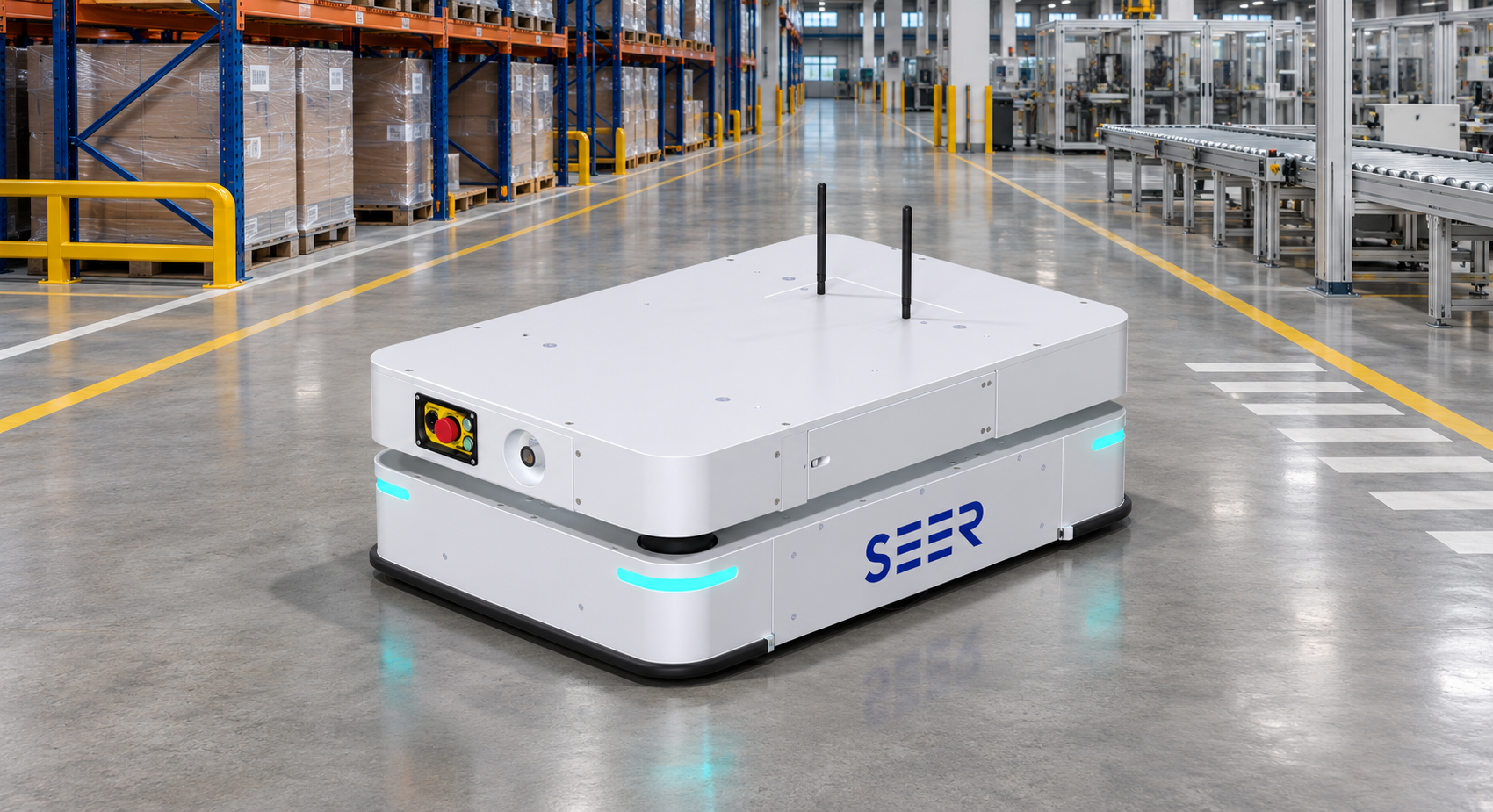
Q: AMB-300XS is a standard towed vehicle?
A: It's a robot chassis that supports a latent pull extension. The full AGV Towing Vehicle will also need to be equipped with tractors, connection tests and associated controls, as well as to complete the calibration of fuel vehicles and on-site.
Q: 300 kg rated load equal to 300 kg towed weight?
A: No. 300 kg is a chassis carrying parameter and cannot be used to determine the permissible tow mass. The pull capacity is also dependent on driver configuration, institutional strength, retrenchment, slope and brake conditions, which need to be confirmed in a complete programme.
Q: Must all existing trucks be replaced?
A: Not necessarily. The strength of the frame, the function of the foot wheel, the cleanness of the bottom and the location of the connection may be checked first. Material vehicles that meet the requirements can be assessed for retention, and some of them may require additional connects or adjustments to the wheel configuration.
Q: Can auto-link and unconnect?
A: Depending on the agency selected and the control programme. The chassis provides support for extended interfaces and towed applications, but automatic removal cannot be directly considered a standard car-to-car function, and actions and detection requirements should be specified in the procurement scope.
Q: Can the 722 mm channel be used for tow transport?
A: 722 mm is the minimum traffic width of the chassis. The tractor truck will need to be recalculated by the profile of the group, the length of the connection, the extent of the turn-sweeping and the spacing of the security space, and will not follow the parameters of the chassis single channel.
Q: Does the chassis reach ISO Class 4 and represent the whole towed vehicle that also meets the cleaner level?
A: No direct equivalence. With the addition of tractors and fuel vehicles, the wheel, connectors and frictions may alter the dusting of the system. Before entering the clean area, it should be verified in full configuration and operational status.